Steel Framed Houses in the UK: What They Are, Risks, Mortgages and Insurance
Steel framed houses are a common UK construction type that can affect surveys, mortgages and insurance.
7
min read
Steel framed houses are found across many parts of the UK, particularly in areas that saw rapid housebuilding after the Second World War. From the outside, they can look similar to traditionally built homes. However, their construction method can affect surveys, mortgages and home insurance.
This guide explains what steel framed houses are, why they were built, the common types found in the UK, and what homeowners and buyers should know, especially when it comes to mortgages and insurance.
What is a steel framed house?
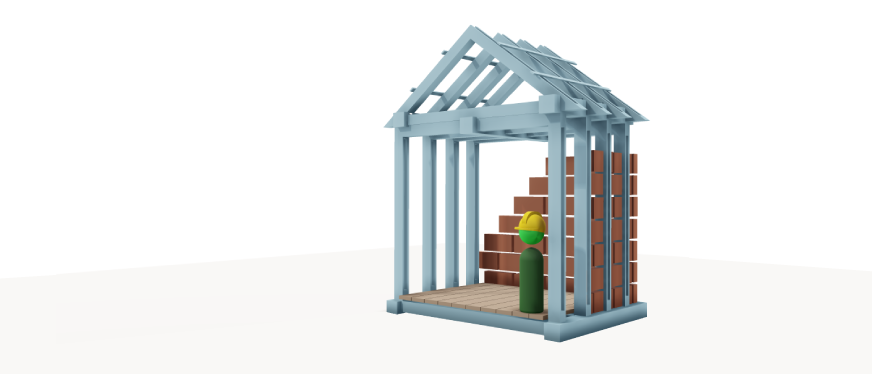
A steel framed house uses a steel skeleton as its main structural support. Instead of load-bearing brick or stone walls, the weight of the building is carried by a framework of steel columns and beams. External walls are then added around the frame, often using brick, blockwork, render or cladding.
This means a steel framed house can appear similar to a standard property from the outside, even though the structural frame beneath is very different.
Why were steel framed houses built in the UK?
Steel framed housing became more common in the UK during the mid-20th century, particularly after the Second World War. The country faced severe housing shortages and the need to build homes quickly and at scale.
Industrialised building systems helped speed up construction, using factory-made components that could be assembled more efficiently on site. Many steel framed homes were built to provide safe, practical housing at a time of urgent demand.
Types of steel framed houses in the UK
Several steel frame systems were used across the UK. Some are widely recognised by surveyors and lenders; others may be assessed on a case-by-case basis depending on condition and any remedial work carried out over the years.
BISF houses
BISF homes are among the better-known steel framed properties in the UK. Many have been upgraded or altered since they were first built, and some are mortgageable and insurable depending on their condition and documentation.
Industrialised steel systems
Other systems were designed for rapid construction using factory-made elements. Lender acceptance can vary, so a detailed survey is often the best starting point.
Modern steel frame homes
Some newer houses also use steel frame construction, including hybrid designs that combine steel with other materials. These may not carry the same historical issues as older systems, but they can still be classed as non-standard construction.
Are steel framed houses non-standard construction?
In mortgage and insurance terms, a home is often classed as non-standard construction if its structure or external walls are not made entirely from brick, stone or concrete.
Because steel framed houses rely on a metal structural frame, they are usually considered non-standard. This does not mean they are unsafe or uninsurable — but it can mean you may need a lender or insurer that is comfortable assessing non-standard properties.
Not all steel framed houses have problems. However, surveyors, lenders and insurers often look closely at a few areas, particularly in older properties:
Corrosion risk: steel can corrode if protective coatings have failed or moisture is able to reach the frame over time.
Insulation and condensation: some early designs don’t meet modern insulation standards, which can contribute to cold spots and condensation.
Alterations: structural changes without proper assessment can affect the way loads are carried through the frame.
Mortgages and surveys for steel framed houses
Mortgage lenders can be cautious with steel framed properties, especially older systems. Some lenders may request a more detailed inspection than they would for a standard brick-built home.
Why surveys matter
A detailed survey helps confirm construction type, highlights any issues that need attention, and provides reassurance about the property’s condition.
What lenders may consider
Construction system: whether the frame type is recognised and accepted by the lender.
Condition: any signs of deterioration, corrosion or movement.
Evidence of work: documentation for upgrades, repairs or remedial works.
Can you get insurance for a steel framed house?
Yes, but not always through standard home insurance policies.
Because steel framed houses are usually classed as non-standard construction, some mainstream insurers may decline cover or apply restrictions. Specialist insurers are often more comfortable assessing these homes, and may consider factors such as:
Frame type: what construction system it is, and whether it has known issues.
Maintenance history: evidence of upkeep and repairs.
Property condition: including any survey findings and improvements.
Claims history and location: broader risk factors that apply to any home.
Is insurance more expensive for steel framed homes?
Not necessarily. Insurance costs depend on the overall risk profile of the home, not just the construction type. A well-maintained steel framed house with a good history and clear survey documentation may cost no more to insure than a traditionally built property.
Premiums are often influenced by factors such as rebuild cost, location, security, claims history, and the condition of the property.
How to tell if your house is steel framed
If you’re unsure how your home was built, there are several ways to confirm its construction type:
Check documents: any previous surveys, valuations or mortgage paperwork may mention construction.
Ask the local authority or housing association: some estates have well-documented build types.
Look for patterns locally: similar homes in the area may share the same construction system.
Arrange a professional survey: a qualified surveyor can usually confirm construction type quickly.
Buying or selling a steel framed house
Steel framed homes can be bought and sold successfully, but it helps to be organised. Buyers, lenders and insurers may ask more questions than they would for a standard construction property.
Helpful documents to have
Recent survey reports (or structural assessments)
Evidence of repairs and improvements
Any guarantees or certificates for remedial work
Details of the construction system (if known)
Key takeaways
Steel framed houses are common in parts of the UK, especially among post-war housing stock.
They often look like standard homes from the outside, but the structural frame is different.
Steel framed properties are usually classed as non-standard construction for mortgages and insurance.
Surveys and documentation can make mortgage and insurance decisions much smoother.
Specialist insurers may be better placed to assess steel framed homes fairly.
Frequently asked questions
Are steel framed houses safe?
Many steel framed homes have been lived in safely for decades. As with any property, condition matters, so a professional survey is the best way to understand a specific home.
Are steel framed houses non-standard construction?
Usually yes. In mortgage and insurance terms, steel framed houses are typically classed as non-standard construction because the structure is not traditional masonry.
Can you get a mortgage on a steel framed house?
Some lenders will consider them, but requirements can be stricter. A detailed survey and good documentation often help.
Can you get insurance for a steel framed house?
Yes. Standard insurers may not always cover non-standard construction, but specialist insurers often can, depending on the frame type and condition.
Is insurance more expensive for steel framed homes?
Not always. Premiums depend on the overall risk profile, including condition, location, rebuild cost and claims history, not just construction type.
This guide explains how insurers view wood rot, why it’s excluded from most policies, and what you can do to protect both your property and your insurance cover.
Wondering if timber frame houses are more expensive to insure? Learn what affects the cost, practical steps to keep premiums down, and how to find the right cover.