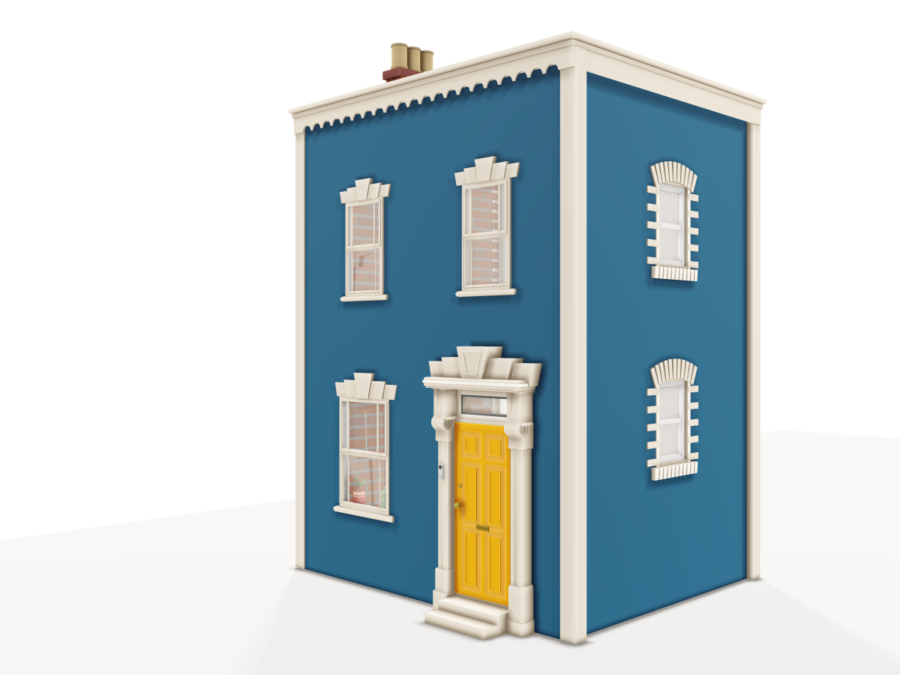
3D illustration of a two-story blue house with a flat roof and a yellow door, representing properties covered by flat roof insurance.
Specialist cover for homes with flat or partly flat roofs

Flat roof home insurance

Find home insurance for properties with flat or partly flat roofs, including extensions, integral garages and homes with a combination of flat and pitched roof sections.

We can help you explore buildings and contents cover based on your property’s roof construction, condition and individual circumstances.

Specialist home insurance for properties with flat roofs

Buildings and contents cover

Choose buildings insurance, contents insurance, or combined cover for your flat-roofed property, subject to the options available.

Different roof types considered

We can consider properties with flat or mixed roof construction, including commonly used materials such as felt, fibreglass and rubber.

Real support when you need it

Get a quote online or speak to our UK-based team if you need help explaining your property’s roof construction.

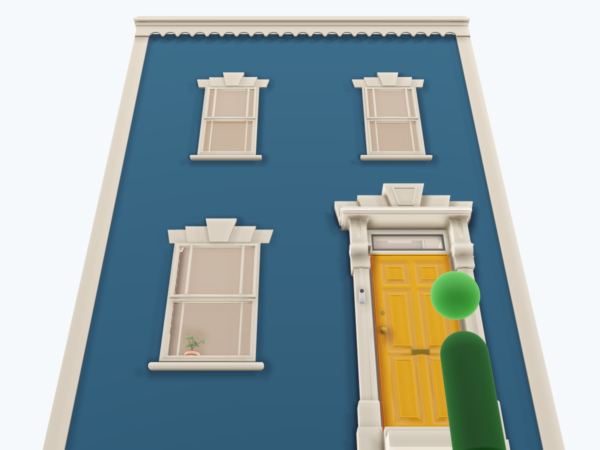
Low-angle view of an abstract green figure standing in front of a blue flat-roof house, representing a homeowner.

What is flat roof home insurance?

Flat roof home insurance is buildings or combined home insurance for properties where some or all of the roof is flat.

It is not a separate policy that automatically covers every roof repair. Instead, it is home insurance arranged with the flat roof’s construction, condition and associated risks taken into account.

Many properties have a pitched main roof with one or more flat-roofed sections. The percentage of the roof that is flat can affect which insurers are willing to provide cover.

Flat roofs are commonly found on:

  • Rear and side extensions.
  • Integral garages.
  • Porches and utility rooms.
  • Dormer extensions.
  • Modern or architect-designed homes.
  • Listed buildings and period properties.
  • Homes where the entire roof has a shallow or flat profile.
Get a Quote

Why do insurers ask about flat roofs?

Insurers use information about your roof to understand your property’s construction and assess the likelihood of certain types of damage.

Flat roof percentage

Some insurers restrict how much of a property’s roof can be flat. Others may consider homes with a larger proportion of flat roof, depending on their underwriting criteria.

A small flat-roofed extension may be treated differently from a property where most or all of the roof is flat.

Roof material

Flat roofs can be covered with different materials, including felt, asphalt, fibreglass and rubber membranes.

The material can influence how the roof is maintained, how it performs over time and what information an insurer may need when assessing the property.

Roof age and condition

An insurer may ask when the roof was installed, replaced or last repaired.

Existing damage, recurring leaks, visible deterioration or incomplete repairs can affect whether cover is available and which terms apply.

Drainage and maintenance

Flat roofs usually have a slight fall to help rainwater drain away. Blocked outlets, standing water and damaged coverings can increase the risk of water entering the property.

Keeping the roof in good condition and following any relevant policy requirements can help reduce problems if you need to make a claim.

What percentage of your roof is flat?

When getting a quote, you may be asked to estimate the proportion of your home’s roof that is flat.

This normally means the roof area of the main building, including attached sections such as:

  • Extensions
  • Integral garages
  • Porches
  • Utility rooms
  • Other attached parts of the property

Detached garages, sheds and other outbuildings are usually assessed separately, although you should always follow the questions asked during your quote.

You do not normally need a professional measurement. A reasonable estimate using property plans, satellite images or your existing knowledge of the property may be enough.

Not sure how to work it out?

Read our guide: How to calculate the percentage of flat roof on your home

What types of flat roof can be considered?

Flat roofs are constructed using a range of materials. The cover available will depend on the property, the condition of the roof and the insurer’s underwriting requirements.

Felt and bitumen roofs

Traditional felt roofs are commonly found on extensions, garages and older properties. Insurers may ask about the roof’s age, condition and maintenance history.

Fibreglass or GRP roofs

Glass-reinforced plastic roofs are often used on newer extensions and replacement flat roofs. As with other roof types, the condition and quality of installation may be relevant.

Rubber or EPDM roofs

EPDM is a rubber-based roofing membrane commonly used on domestic flat roofs. Insurers may consider the age of the covering, the overall roof condition and whether any repairs have been carried out.

Asphalt and other roof coverings

Other materials, including asphalt and modern membrane systems, may also be considered depending on the circumstances.

Green or living roofs

Properties with green or living roofs may require additional assessment because the construction, drainage and maintenance arrangements can differ from conventional flat roofs.

Acceptance is subject to underwriting. Cover should not be assumed for the maintenance or health of vegetation.

Does home insurance cover damage to a flat roof?

Buildings insurance may cover damage to a flat roof when it results from an insured event, such as:

  • A storm
  • Fire
  • A falling tree or branch
  • Another event covered by the policy

Any claim will be assessed against the policy wording, the condition of the roof, the cause of the damage and any applicable exclusions or endorsements.

For example, if a storm damages a previously well-maintained flat roof, the resulting damage may be considered under the buildings section of the policy.

However, if water enters because the roof covering has gradually deteriorated, a long-standing defect has not been repaired, or drainage has been neglected, the claim may not be covered.

Home insurance is not a maintenance contract. Routine repairs, roof replacement due to age and existing problems are not normally insured.

Specialist Insurance for Flat Roofs

An Intelligent approach to every roof type

No two homes are exactly alike, particularly when a property has a flat roof, an extension or a combination of different roofing materials.

Our specialist home insurance takes your property’s individual construction and circumstances into account.

What we provide

Buildings cover up to £1,500,000
Cover towards repairing or rebuilding your home following an insured loss, with the option to increase the limit for specific cases.
Contents Insurance up to £125,000
Cover for belongings kept in your home, subject to the limits, conditions and exclusions shown in your policy.
Alternative accommodation
Temporary accommodation if your home cannot be lived in following an insured event, subject to the applicable policy limit.
Replacement locks and keys
Cover for eligible lost or stolen keys, subject to the terms of your policy.
Trace and access cover up to £5,000
Cover towards locating an eligible escape of water and repairing parts of the building removed to access the source.
Family Legal Protection up to £25,000
Cover for certain legal expenses, subject to the policy terms and a £100 excess.
Home Emergency Cover up to £250 per call-out
Included with eligible home insurance policies for specified emergencies, subject to a £500 total annual claim limit and the policy terms.

What isn't included?

We don’t cover loss or damage
  • Caused by wear, tear or gradual deterioration
  • That occurred before the policy started
  • Caused by vermin, insects, pets
  • Caused by dishonest, wilful or deliberate acts
  • Arising from leaks from swimming pools, fixed hot tubs, jacuzzies, fixed spas
Cover restrictions
  • you are only covered up to the maximum claims limits shown on your schedule
  • you are responsible for any excesses stated in your policy
  • any exclusions or restrictions shown by endorsement in your schedule
  • Home Emergency roofing cover excludes damage to flat roofs over 10 years old

Looking for extra protection? Upgrade your cover

  • Family Legal Protection Plus

    Increase your legal expenses cover to £50,000 and extend protection to additional categories of legal disputes, subject to the policy terms.

    Optional – Family Legal Protection Plus
  • Home Emergency Plus

    Increase your Home Emergency claim limit to £1,000 per call-out, with a £1,000 annual claim limit, and add protection for specified heating, security and access emergencies.

    Home Emergency Plus remains subject to its policy definitions and exclusions, including any applicable flat-roof restrictions.

    Optional – Home Emergency Plus
  • Accidental Damage

    Add cover for certain sudden and unexpected accidents affecting your buildings or contents, depending on the options selected.

    Optional – Accidental Damage

Frequently Asked Questions

Yes, specialist home insurance may be available for properties with flat or partly flat roofs.

The options available will depend on factors such as the percentage of flat roof, the material used, the roof’s condition, the property’s history and the insurer’s underwriting requirements.

It can. Some insurers apply restrictions based on how much of the roof is flat, while others consider the roof’s age, construction and maintenance history.

A flat roof does not automatically prevent you from arranging home insurance, but it may influence the insurers, policy terms or premiums available.

Insurers may ask you to estimate what proportion of your property’s total roof area is flat.

There is no single percentage threshold used by every insurer. The amount of flat roof an insurer will consider depends on its own underwriting criteria.

Our flat roof percentage guide explains how to estimate the figure.

Usually, yes. If an extension or integral garage forms part of the main building, its roof will normally be relevant when estimating the proportion of flat roof.

Detached garages and other separate outbuildings may be assessed differently. Follow the questions asked during the quote process and tell us if you are unsure.

It depends on what caused the leak.

If the leak results from an insured event, such as storm damage, your insurer may consider the resulting damage under your buildings insurance.

Leaks caused by wear and tear, an ageing roof covering, poor maintenance or an existing defect are not normally covered.

Buildings insurance may cover damage caused by a storm, subject to the policy terms and any relevant exclusions.

The insurer will consider whether storm conditions occurred, whether the damage is consistent with a storm and whether the storm was the main cause.

Damage that results from existing deterioration or poor maintenance may not be covered.

Possibly. Previous repairs do not necessarily prevent you from arranging cover, but the insurer may ask when the work was completed, why it was needed and whether the roof is now in good condition.

Ongoing leaks, incomplete repairs or unresolved damage should be disclosed when obtaining a quote.

Depending on the insurer and the property, flat roofs covered with felt, fibreglass, rubber membranes, asphalt or other suitable materials may be considered.

The roof’s age, condition and maintenance history can also affect the options available.

Specialist cover may be available for a listed building with a flat or partly flat roof, depending on the property’s listing, construction, roof condition and rebuilding requirements.

You can also find out more about our listed building insurance.

Home Emergency Cover only applies to emergencies that meet the policy definition.

The roofing section refers to specified roofing emergencies involving missing, broken or loose tiles causing internal water damage. Damage to flat roofs over 10 years old is excluded.

This Home Emergency restriction does not automatically mean that your buildings insurance excludes a flat roof over 10 years old. Buildings insurance and Home Emergency Cover have different terms and are assessed separately.

Cover may be available for a let property with a flat or partly flat roof, depending on the property, its use and the insurer’s underwriting requirements.

Landlord or let-property insurance should reflect that the property is occupied by tenants. Standard Home Emergency Cover and Home Emergency Plus are not available for tenanted properties under the current eligibility conditions.

Yes, subject to the options available. You may be able to arrange buildings insurance, contents insurance or combined cover for your property and belongings.

The limits and cover applicable to you will be shown in your policy schedule.

Still have questions? Visit our help centre

What information do I need for a flat roof insurance quote?

If you are unsure how to describe your roof, our team can help you work through the questions.

You may be asked for:

  • The approximate percentage of your roof that is flat
  • The material used on the flat roof
  • The roof’s approximate age and condition
  • Details of previous repairs, damage or insurance claims
  • Your property’s age and construction
  • The rebuild cost of the property
Ready to insure your flat-roofed home?

Get an online quote for your Flat Roof Home Insurance, tailored to your needs

Get a Quote
Need more help? Let’s chat.

No chatbots. Just real people, here to help.

Live Chat

*We may not be able to quote in all circumstances. Cover limits/restrictions and/or conditions may apply to the policy. These are clearly detailed prior to purchase, and in the policy documentation for you to determine if the cover is suitable for your needs.

Home insurance knowledge base

Browse our intelligent reading list of articles, guides and tips at your own convenience.

How to make a claim

Making a claim has never been easier – just follow these three simple steps.

step-one

Step One – Check Your Policy

Find your insurer’s claims contact details in your policy document or Schedule. Always have your policy number to hand, as it helps your insurer’s claims team quickly identify you and assist you without delay.

step-two

Step Two – Report the Incident

Call your insurer’s claims team as soon as the incident occurs. Provide a brief description of what happened and, if applicable, notify the Police within seven days for incidents like theft or malicious damage.

step-three

Step Three – Submit Your Claim

If required, complete and return the claim form along with supporting documents (receipts, photos, etc.) within 30 days. This ensures a smooth, timely processing of your claim.

Home Insurance Specialists names you can trust

Intelligent Insurance | Non-Standard Home Insurance
Intelligent Insurance | Pen Underwriting Panel Member
Intelligent Insurance | Prestige Underwriting Services Panel Member
Intelligent Insurance | Arkel Panel Member
Nelson policies as Lloyd's logo

Get Your Flat Roof Insurance Quote Today

Get a quote