
accidental damage insurance

Accidental damage insurance

A spilt drink on the sofa or a dropped object that cracks a basin can leave you with an unexpected repair bill. Accidental damage cover can extend your home insurance to help with eligible mishaps.

With Intelligent Insurance, you can explore accidental damage options for your buildings, contents or both. Availability and terms depend on the policy offered.

What is accidental damage cover?

Accidental damage cover is insurance for sudden, unexpected physical damage caused by an accident. It can help with the cost of repairing or replacing insured property, subject to the policy terms.

Buildings and contents cover protect different parts of your home. Buildings insurance relates to its structure and permanent fixtures, while contents insurance covers your household belongings.

Adding accidental damage to one section does not automatically extend the other. Check your policy schedule to see which cover you have selected.

Accidental damage cover for buildings and contents

Accidental damage buildings insurance

Buildings accidental damage cover relates to the structure of your home and its permanent fixtures, such as fitted kitchen units and bathroom fittings.

Depending on the policy and level of cover, examples may include accidentally cracking a washbasin or damaging a ceiling when someone puts a foot through it.

Accidental damage contents insurance

Contents accidental damage cover relates to insured household belongings, such as furniture, carpets and electrical items.

Examples may include spilling a drink that stains a sofa, dropping a laptop or accidentally knocking over a television. Whether a claim is covered depends on how the damage happened, the item involved and the policy terms.

Examples of accidental damage

Example of an accident Cover section to check
A dropped object cracks a fitted basin Buildings
Someone puts a foot through the ceiling while in the loft Buildings
A drink spills onto a sofa Contents
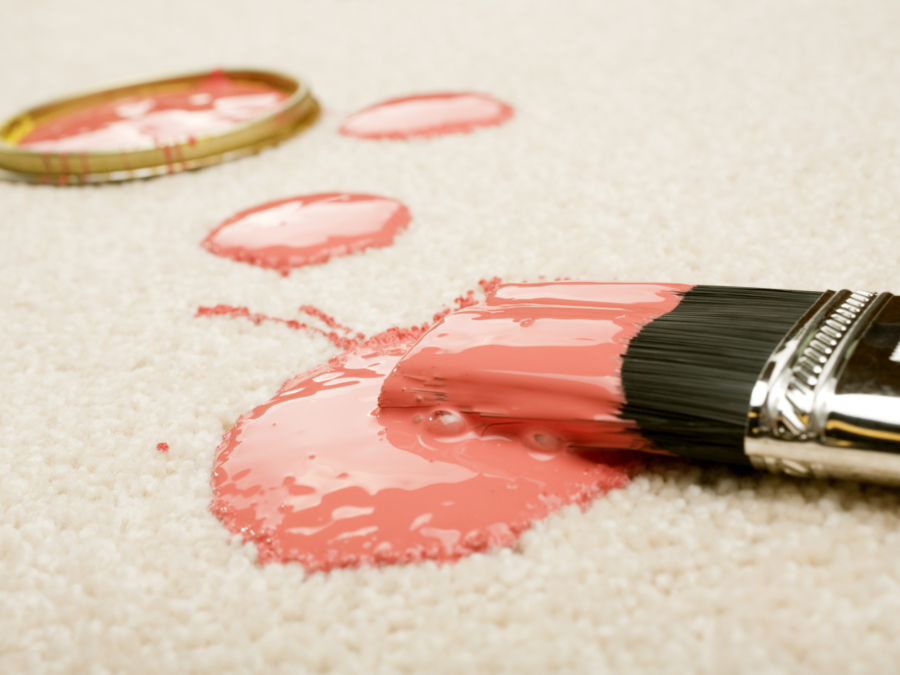
Paint spills onto a carpet Contents
A television is accidentally knocked over Contents
A laptop is accidentally dropped at home Contents

These examples illustrate which cover section may apply. Cover depends on your policy’s terms, limits, excesses and exclusions.

Is accidental damage included in home insurance?

Some home insurance policies include limited accidental damage cover as standard, with an option to extend it. Others offer accidental damage as an additional cover option.

Basic cover may apply to particular items or incidents, such as fixed glass or bathroom fittings. Extended accidental damage can provide broader protection, but exclusions still apply. The labels used by insurers can differ.

When comparing quotes, look at what each option covers for buildings and contents. Your schedule and policy wording explain the protection selected.

Cover at a glance

What’s included – and what’s excluded?

Explore the main benefits and exclusions of accidental damage cover for buildings and contents below. This is a summary; your policy booklet and schedule explain the cover selected, including the limits, excesses and conditions that apply.

What we provide

Accidental Damage for Buildings
  • Accidental damage to the structure of your home: walls, roof, floors and fixtures
  • Breakage of fixed glass in windows, doors, skylights, conservatories & verandas
  • Breakage of fixed sanitary fittings (sinks, baths, toilets, showers, etc.)
  • Accidental damage to underground cables, pipes & drains serving the home, including the cost to locate and repair a breakage or clear a blockage it causes
Accidental Damage for Contents
  • Accidental damage to household contents while inside the home, its garden or an open-fronted outbuilding such as a car-port

What isn't included?

Buildings exclusions
  • Wear & tear, rot, mould, vermin, frost or other gradual deterioration
  • Faulty design, materials, workmanship or lack of maintenance
  • Movement, settlement, structural alteration or demolition work
  • Electrical or mechanical breakdown of equipment or services
  • Damage while the home is unoccupied or unfurnished
  • Damage caused by pets chewing, scratching, tearing or fouling, or by chemicals
  • Cost of replacing undamaged items or clearing blockages not caused by a breakage
Contents exclusions
  • Clothing, furs, contact lenses, food, drink, plants and other specifically excluded items
  • Wear & tear, atmospheric conditions, rot, moths, vermin or gradual deterioration
  • Damage arising from cleaning, repair, restoration, poor workmanship or design
  • Electrical or mechanical breakdown, data loss, computer viruses or contamination
  • Theft, loss or damage by you, your family, tenants, lodgers or pets, or while the home (or part of it) is lent, let, unoccupied or unfurnished unless forcible & violent entry/exit occur
  • Losses not reported to the police within seven days where required

Is accidental damage cover worth having?

Consider the extra premium, the excess you would pay on a claim and the repair or replacement costs you could manage yourself.

Think about the accidents you want protection against, then check whether the offered cover includes them. For example, someone concerned about spills on furniture should review contents accidental damage, while damage to permanent fittings relates to buildings cover.

Existing gadget insurance or other policies may already protect particular belongings. Check for overlapping cover before adding an option.

How to add accidental damage cover

When getting a home insurance quote, review the accidental damage options available for buildings, contents or both.

Already insured with Intelligent Insurance? Contact our team to ask whether accidental damage can be added to your existing policy.
Any agreed change, additional premium and effective date will be confirmed.

Cover cannot be added retrospectively for damage that has already happened.

Accidental damage insurance FAQs

It may cover eligible accidents caused by children, such as a spill that damages furniture. Deliberate damage is different. Check the policy terms and any restrictions on who caused the damage.

Some accidental damage arising during everyday DIY may be covered. Faulty workmanship, structural alterations and renovation work can be excluded. Tell us about planned building work and check the terms before relying on accidental damage cover.

If you’re planning a renovation, learn more about home renovation insurance.

Do not assume contents accidental damage extends to items you take out with you. Personal belongings cover may be needed for eligible items away from home. Check the locations, items and limits covered by your policy.

Check the limits for the item and category concerned. Some valuables may need to be individually specified.

Tell us about higher-value belongings so the available protection can be checked.

Availability and restrictions depend on the policy and living arrangement. Tell us who lives at the property and whether any part is let.

Ask us to check accidental damage options before assuming your own belongings, or damage caused by another resident, are covered.

If you have a lodger, learn more about home insurance with lodgers.

The additional premium depends on the policy, the cover selected and your circumstances. Your quote will show the cost of the available options.
Compare this with the excess, limits and exclusions.

*We may not be able to quote in all circumstances. Cover limits/restrictions and/or conditions may apply to the policy. These are clearly detailed prior to purchase, and in the policy documentation for you to determine if the cover is suitable for your needs.

How to make an accidental damage claim

Making a claim has never been easier – just follow these three simple steps.

step-one

Step One – Check Your Policy

Find your insurer’s claims contact details in your policy document or Schedule. Always have your policy number to hand, as it helps your insurer’s claims team quickly identify you and assist you without delay.

step-two

Step Two – Report the Incident

Call your insurer’s claims team as soon as the incident occurs. Provide a brief description of what happened and, if applicable, notify the Police within seven days for incidents like theft or malicious damage.

step-three

Step Three – Submit Your Claim

If required, complete and return the claim form along with supporting documents (receipts, photos, etc.) within 30 days. This ensures a smooth, timely processing of your claim.

Home insurance provided by names you can trust

We work with experienced and established insurers to give you peace of mind that your home is protected

Intelligent Insurance | Non-Standard Home Insurance
Intelligent Insurance | Pen Underwriting Panel Member
Custom Home by Intelligent Insurance
Intelligent Insurance | Arkel Panel Member
Intelligent Insurance | Prestige Underwriting Panel Member
Nelson policies as Lloyd's logo