



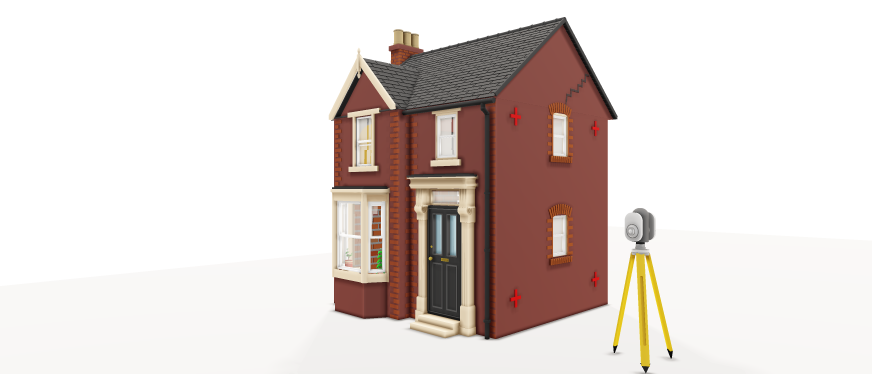
3D illustration of a detached brick house with visible structural subsidence cracks along the exterior wall
Specialist Protection for

Subsidence home insurance

Intelligent Insurance is a specialist home insurance broker. We can consider buildings and contents cover for homes with a history of subsidence, heave or landslip.

Each property is assessed individually, including the cause of movement, any remedial work completed and the evidence available.

Isometric 3D model of a house with subsidence wall cracks, featuring a green pawn figure and an expanding risk zone indicator

Can you get home insurance after subsidence?

A history of subsidence does not necessarily prevent you from obtaining home insurance. Intelligent Insurance can consider properties where movement occurred recently or many years ago, subject to the current condition of the property and the information available.

Reports, invoices, monitoring records and a Certificate of Structural Adequacy can help an insurer assess the property. However, not every document will be required in every case.

The cover, excesses and conditions available will depend on the individual property and the insurer considering it.

Insurers may want to understand:

  • What caused the movement
  • When it happened
  • Which parts of the property were affected
  • Whether a claim was made
  • What investigations and remedial work were completed
  • Whether there have been any further signs of movement
Get a Quote

Subsidence insurance for different circumstances

The position can vary depending on whether movement happened in the past, remedial work has been completed or the property is still being investigated.

Previous subsidence

Where subsidence happened in the past, an insurer will usually consider what caused it, how the property was repaired and whether there have been any further signs of movement.

Previous subsidence does not automatically mean that buildings insurance will be unavailable. The evidence and current condition of the property will help determine whether subsidence cover can be included and what terms may apply.

Underpinned properties

Underpinning is a structural repair used to stabilise or strengthen a building’s foundations. An underpinned property may still be considered for buildings and contents insurance.

The insurer may ask about the extent of the underpinning, when it was completed and whether supporting reports or certification are available.

Find out about underpinned house insurance

Monitoring or an open claim

Changing insurer can be more difficult while suspected movement is being monitored or an existing insurer is handling an accepted subsidence claim.

Where possible, remaining with the insurer handling an open claim will often be the most practical option. In other circumstances, a new insurer may be able to consider buildings cover with subsidence excluded until the investigation has concluded.

Read our guide to home insurance while subsidence monitoring is underway

What information may be needed for a subsidence insurance quote?

Providing accurate information helps an insurer understand the history and current condition of the property. We will let you know if further evidence is required.

What happened and when

We may ask:

  • When the movement was first noticed
  • Which part of the property was affected
  • Whether subsidence, heave, landslip or another cause was confirmed
  • Whether an insurance claim was made
  • What caused the movement, if known

Investigations and repairs

Useful information may include:

  • Structural engineer or surveyor reports
  • Monitoring results
  • Drainage reports or repair records
  • Details of tree management
  • Specifications and invoices for remedial work
  • Details of any underpinning
  • A Certificate of Structural Adequacy

Current condition

We may also ask:

  • Whether the recommended work was completed
  • Whether any repairs remain outstanding
  • Whether further cracking or movement has occurred
  • When monitoring ended
  • Whether the property is currently considered stable

You do not necessarily need to have every document before starting a quote. The information required will depend on the circumstances.

Will a new policy include subsidence cover?

Buildings insurance commonly includes loss or damage caused by subsidence, heave and landslip as insured events. However, this does not mean that these risks will be covered in every circumstance.

Where a property has experienced previous structural movement, the insurer may:

  • Include subsidence, heave and landslip cover
  • Apply a separate or higher excess
  • Add specific conditions or endorsements
  • Exclude subsidence-related damage
  • Request further evidence before confirming cover

The outcome will depend on the cause and history of the movement, any remedial work completed and the current condition of the property.

Insurance cannot cover damage that occurred before the policy started. Known or unresolved movement may also be excluded.

Your quotation and policy schedule will confirm the cover, excesses, conditions and exclusions that apply. These should be checked before purchasing the policy.

Frequently Asked Questions

It may be possible to arrange buildings and contents insurance for a property with previous subsidence.

The insurer will consider what caused the movement, when it occurred, whether repairs were completed and whether there have been any further signs of movement. Reports, repair records or a Certificate of Structural Adequacy may help support the application.

Every property is assessed individually, and cover cannot be guaranteed in all circumstances.

This will depend on the history and current condition of the property and the insurer considering it.

A policy may include subsidence, heave and landslip cover, apply a different excess or exclude subsidence-related damage. Your quotation and policy schedule will clearly show the cover and terms available before you purchase the policy.

Many buildings insurance policies cover loss or damage caused by subsidence, heave and landslip, subject to the policy terms and excess.

Where there is previous or suspected structural movement, this cover may be restricted or excluded. Damage that existed before the policy began will not be covered.

The policy schedule and any endorsements will confirm what applies to your property.

We will normally ask about when the movement occurred, what caused it, which parts of the property were affected and whether a claim was made.

We may also need details of investigations, monitoring, underpinning or other remedial work. Supporting documents could include structural reports, repair invoices, monitoring results or a Certificate of Structural Adequacy.

The information required will depend on the property and its history.

Not in every case.

A Certificate of Structural Adequacy records that specified structural repairs were completed satisfactorily. It can help an insurer understand previous work, but other reports or evidence may also be acceptable.

We will let you know whether a certificate or further documentation is required for your application.

Learn more about Certificates of Structural Adequacy

Arranging new insurance can be more difficult while movement is still being monitored.

A new insurer is unlikely to include subsidence cover until the investigation has concluded, although buildings insurance with subsidence excluded may be considered in some circumstances.

If an existing insurer is handling an accepted subsidence claim and will continue the policy, remaining with that insurer will often be the most practical option.

Read our guide to insurance during subsidence monitoring

A subsidence excess is the amount you must contribute towards an accepted subsidence claim.

It is often different from the standard buildings insurance excess. The amount can vary between policies and may be affected by the property’s history.

Your quotation and policy schedule will show the subsidence excess that applies.

The cost will depend on the property, location, rebuild value and the cover selected. The insurer will also consider the cause and history of any movement, the work completed and whether subsidence cover can be included.

Because every property is different, an individual quotation is needed to confirm the premium and terms available.

You should answer the questions asked by the insurer fully and accurately.

If the application asks whether the property has ever experienced subsidence or structural movement, you should disclose it regardless of how long ago it happened. If the question specifies a particular period, answer according to that period.

Failing to provide accurate information could affect the cover or how a future claim is handled.

Contents insurance may be available alongside buildings insurance or, in some circumstances, as separate cover.

Contents insurance protects eligible belongings against the insured events shown in the policy. It does not cover every type of loss or damage, and the applicable limits and exclusions will be confirmed in your policy documents.

Tailored Specialist Insurance

An Intelligent approach to Subsidence Insurance

Depending on the insurer and the terms offered, we can arrange buildings insurance, contents insurance or combined buildings and contents cover.

What we provide

Buildings cover up to £1,500,000, with the option to increase for specific cases
The amount your insurer will pay to repair or rebuild your home in the event of an insured loss
Contents Insurance up to £125,000
New for old cover for belongings kept in your home
Alternative accommodation
Temporary accommodation in the event your home is uninhabitable
Replacement locks and keys
For lost or stolen keys
Trace and access cover up to £5,000
Replacement and repair to any parts of the building that are removed when tracing escape of water
Family Legal Protection up to £25,000
Cover for legal expenses (whether prosecuting or defending). There is a £100 excess.
Home Emergency Cover up to £250 per call-out
24 hour immediate assistance from a professional electrician, plumber or other specialist following certain emergencies in the home included as standard.

What isn't included?

We don’t cover loss or damage
  • Caused by wear, tear or gradual deterioration
  • That occurred before the policy started
  • Caused by vermin, insects, pets
  • Caused by dishonest, wilful or deliberate acts
  • Arising from leaks from swimming pools, fixed hot tubs, jacuzzies, fixed spas
Cover restrictions
  • you are only covered up to the maximum claims limits shown on your schedule
  • you are responsible for any excesses stated in your policy
  • any exclusions or restrictions shown by endorsement in your schedule

Looking for extra protection? Upgrade your cover

  • Family Legal Protection Plus

    Family Legal Protection Plus extends this cover limit to £50,000 and increases the range of legal disputes that you’re covered for.

    Optional – Family Legal Protection Plus
  • Home Emergency Plus

    Home Emergency Plus increases the limit to £1,000 per accepted emergency and £1,000 per policy year. It also adds cover for specified primary heating, security and access emergencies, plus alternative accommodation.

    Optional – Home Emergency Plus
  • Accidental Damage

    Cover for accidental breakage or damage to your buildings, such as putting your foot through the ceiling or accidentally breaking glass.

    Optional – Accidental Damage

Still have questions? Visit our help centre

Why choose Intelligent Insurance?

  • Specialist experience with non-standard homes and circumstances
  • Individual assessment of your property and its history
  • Buildings and contents insurance options
  • Access to an established panel of UK insurers
  • Help available from our team if you have questions about your quote
  • Buildings and contents cover rated 5 Star by Defaqto
Subsidence home insurance

Start an online quote for a property with a history of subsidence, heave or landslip.

Get a quote
Speak to a member of our team

If you need help with your quote or are unsure which information to provide, speak to us through online chat.

Live Chat

*We may not be able to quote in all circumstances. Cover limits/restrictions and/or conditions may apply to the policy. These are clearly detailed prior to purchase, and in the policy documentation for you to determine if the cover is suitable for your needs.

Subsidence knowledge base

See our articles and guides on everything related to subsidence.

What our customers say

  • Really helpful and expert customer service

    “…Really helpful and expert customer service. They were able to offer insurance when offers had been declined due to minor remediated subsidence…”

    JM New Policyholder – 21st June 2024

How to make a claim

Claims are handled by the insurer named in your policy schedule. If you notice possible structural movement or believe you may need to make a claim, contact your insurer as soon as reasonably possible.

step-one

Step one – check your policy

Find your insurer’s claims contact details and have your policy number available. Your policy schedule will also show the cover, excesses and endorsements that apply.

step-two

Step two – report your concerns

Explain what you have noticed, when it first appeared and which part of the property is affected. Follow the insurer’s instructions before arranging permanent structural repairs.

step-three

Step three – provide the requested information

The insurer may request photographs, reports or information about previous movement and repairs. Where appropriate, it may appoint a surveyor or arrange monitoring before deciding how the claim should proceed.

The assessment and repair process can take time because the cause and extent of any movement may need to be established.

Home Insurance Specialists names you can trust

Intelligent Insurance | Non-Standard Home Insurance
Intelligent Insurance | Pen Underwriting Panel Member
Intelligent Insurance | Arkel Panel Member
Intelligent Insurance | Prestige Underwriting Services Panel Member
Nelson policies as Lloyd's logo

Get your Subsidence Insurance quote today

For properties that have suffered previous subsidence

Get a quote