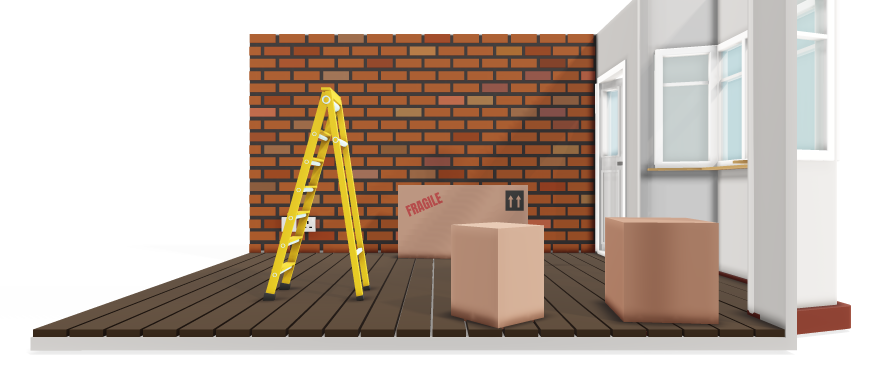
A home can be left empty for many reasons. It may be waiting to be sold, going through probate, undergoing renovation, between tenants, or empty while the owner is away for an extended period.
Whatever the reason, it is important to check your home insurance carefully. Many standard home insurance policies restrict or reduce cover once a property has been left empty for longer than the period allowed by the insurer. This is often 30, 45 or 60 days, but the exact limit depends on the policy.
If the property will be empty for longer than your standard policy allows, you may need specialist unoccupied home insurance. This type of cover is sometimes also called empty property insurance, vacant property insurance or insurance for an empty house.
Why empty properties need different insurance
Insurers treat empty properties differently because the risks can be higher when nobody is living there day to day. A small issue can become a much larger problem if it is not spotted quickly.
For example, a leaking pipe may cause more damage if no one is there to notice it. A broken window, storm damage or signs of forced entry may also go unseen for longer. Empty properties can also be more exposed to theft, attempted theft, vandalism and general deterioration.
This does not mean an empty property cannot be insured. It simply means the insurer will usually want to understand why it is empty, how long it is likely to remain empty, and what steps are being taken to protect it.
When standard home insurance may not be enough
Standard home insurance is usually designed for homes that are lived in regularly. If a property is left empty beyond the period allowed by the policy, some parts of the cover may be restricted, excluded or subject to extra conditions.
This can affect cover for things such as escape of water, theft, malicious damage or accidental damage, depending on the policy wording and the level of cover selected.
Before leaving a home empty, check your Policy Booklet and Schedule. These documents should explain how long the property can be unoccupied, what cover applies, and what you must do to keep the policy valid.
Common reasons a property may be empty
There are many normal reasons why a home may not be lived in for a period of time. These include:
- Probate: the property is empty while the estate is being handled.
- Sale: the owner has moved out and the property is waiting to be sold.
- Renovation: building work means the home cannot be lived in as usual.
- Between tenants: a landlord has a gap between lets.
- Extended travel: the homeowner is away for a longer period.
- Hospital or care: the owner is temporarily or permanently away from the property.
If you are unsure whether your property counts as unoccupied, our guide to what counts as unoccupied for insurance purposes explains this in more detail.
What can empty property insurance cover?
The cover available will depend on the insurer, the property, the reason it is empty and the level of cover selected. Empty property insurance may include buildings cover, and contents cover if selected.
Buildings cover can help protect the structure of the home against insured events. Contents cover may help protect belongings kept inside the property, where this has been chosen and the policy conditions are met.
Different levels of cover may apply. Some policies may offer more limited protection, while others may include wider cover for risks such as storm, flood, escape of water, theft or malicious damage. Always check the cover shown in your Schedule before buying or renewing a policy.
What conditions might apply?
Unoccupied property insurance often comes with specific conditions. These are not unusual, but they are important. If the conditions are not followed, it could affect a future claim.
Common requirements may include:
- checking the property at regular intervals
- keeping the property secure
- maintaining the garden and external appearance
- turning off water supplies or draining systems where required
- keeping the heating on during colder months, where the policy requires it
- telling the insurer about changes, such as renovation work or a longer period of vacancy
Requirements vary by insurer, so you should always follow the conditions shown in your own policy documents. For more detail, see our guide to unoccupied home insurance rules.
How often should an empty property be checked?
Many insurers expect an empty property to be inspected regularly. The required frequency can vary, so it is important to check your own policy wording.
Inspections can help identify problems early, such as leaks, signs of forced entry, storm damage, pests or maintenance issues. They can also help show that reasonable steps have been taken to look after the property while it is empty.
Our guide to how often an unoccupied property must be inspected explains what insurers may expect and what to record during a visit.
Why claims on empty properties can be declined
Claims involving unoccupied homes can sometimes be declined if the policy conditions have not been followed. This might happen if the insurer was not told the property was empty, if required inspections were missed, or if heating, water or security conditions were not met.
This is why it is important to be clear with your insurer from the start. Tell them why the property is empty, how long it is likely to remain empty, and whether anything unusual is happening, such as renovation work, sale, probate or a change in occupancy.
You can read more in our guide to why unoccupied home insurance claims are sometimes declined.
Empty property, vacant property or unoccupied home?
People use different terms when searching for this type of cover. Empty property insurance, vacant property insurance, empty house insurance and unoccupied home insurance are often used to describe similar situations.
The important point is not the wording, but whether the home is being lived in regularly. If it is not, you should check whether your existing policy still provides the cover you need.
What to do before leaving a property empty
Before a home is left empty, it is sensible to take a few practical steps:
- check how long your current policy allows the home to be empty
- tell your insurer or broker if the property will be unoccupied
- confirm what cover will apply while the property is empty
- understand any inspection, heating, water or security conditions
- keep records of property visits and maintenance
- review cover if the situation changes or the property remains empty for longer than expected
Need insurance for an empty property?
If your home will be empty for longer than your standard policy allows, specialist cover may be needed. The right policy will depend on the property, how long it will be empty, why it is empty, and the level of cover you need.
Intelligent Insurance may be able to help arrange cover for empty houses, vacant homes and unoccupied properties, subject to eligibility, policy limits and insurer conditions.
Visit our unoccupied home insurance page to learn more or get a quote online.