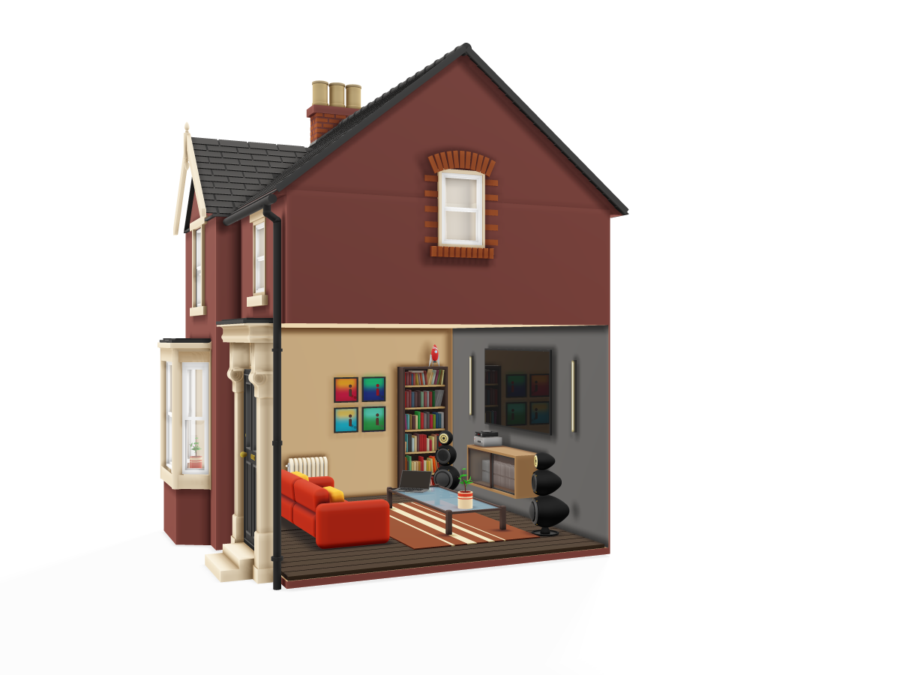
Cutaway illustration of a house showing its exterior structure and furnished living room, representing buildings and contents insurance cover.

Buildings and contents insurance

Buildings and contents insurance combines cover for the structure of your home with cover for the belongings kept inside it.

Buildings insurance may pay to repair or rebuild your property following an insured event, while contents insurance may pay to repair or replace damaged or stolen possessions.

Arrange both through Intelligent Insurance in one policy, with cover suited to your property, the value of your contents and any features that may need specialist consideration.

  • Buildings cover up to £1.5 million, with higher amounts considered in specific cases
  • Contents cover up to £125,000
  • Defaqto 5-Star rated buildings and contents cover
  • Support from a UK-based home insurance team

What is the difference between buildings and contents insurance?

A useful rule of thumb is that buildings insurance covers the parts that form your home, while contents insurance covers the belongings you would normally take with you if you moved. The precise definitions and limits will be set out in your policy.

Buildings insurance

Buildings insurance protects the structure of your property and its permanent fixtures and fittings.

Depending on the policy, this can include:

  • Walls, floors and the roof
  • Windows and external doors
  • Fitted kitchens and bathrooms
  • Pipes, drains and fixed services
  • Garages and other outbuildings
  • Walls, gates, fences and other boundary features

It may cover repair or rebuilding costs following insured events such as fire, storm, flood, escape of water, subsidence, theft or malicious damage.

Contents insurance

Contents insurance protects the belongings kept inside your home.

This can include:

  • Furniture and furnishings
  • Clothing and personal possessions
  • Televisions, computers and other electronics
  • Freestanding kitchen appliances
  • Jewellery, watches and ornaments
  • Carpets, curtains and household goods

It may pay to repair or replace possessions following insured events such as theft, fire, flood, storm or escape of water. New-for-old cover is provided up to the contents limit shown on your policy.

Buildings and contents cover at a glance

Buildings insurance Contents insurance
What it protects The structure and permanent fixtures of your home The possessions and household goods kept inside it
Typical examples Roof, walls, windows, fitted kitchen, bathroom and outbuildings Furniture, clothing, electronics, jewellery and freestanding appliances
How cover is calculated Based on the cost of rebuilding the property, rather than its market value Based on the cost of replacing all your belongings at today’s prices
Maximum cover available Up to £1.5 million, with higher amounts considered in specific cases Up to £125,000
Accidental damage Available as an optional extension Available as an optional extension
Cover away from home Not applicable to the building itself Personal belongings cover may be added for eligible items taken away from home
Higher-value items Specialist property features should be reflected in the rebuild cost Items above the policy’s single-item limit may need to be specified individually

Options that can extend your protection

Depending on your requirements and eligibility, you may be able to add:

  • Accidental damage for your buildings, contents or both
  • Personal belongings cover away from home
  • Cover for specified and higher-value items
  • Pedal cycle cover away from the property
  • Enhanced Home Emergency cover
  • Enhanced Family Legal Protection

Limits, excesses and exclusions apply. Any optional cover selected will be shown on your policy schedule.
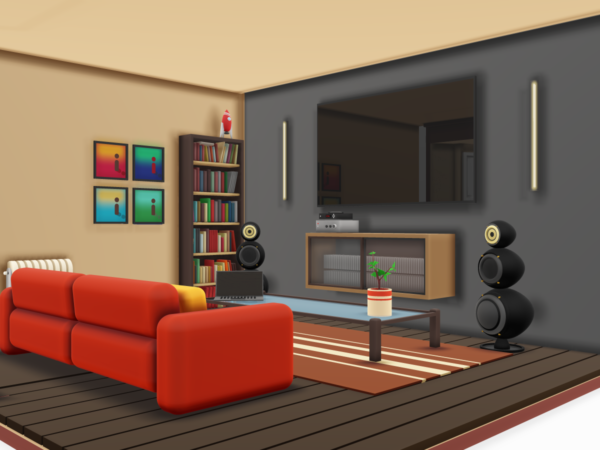
Cutaway view of a furnished living room showing the walls, floor, ceiling and household possessions covered by buildings and contents insurance.

One incident can affect both your home and belongings

Imagine that a pipe suddenly bursts upstairs while you are away from home.

Water damages the ceiling below and runs into the fitted kitchen units. It also damages a freestanding sofa, television and rug.

Arranging both types of cover together means the incident is reported under the same policy. However, buildings and contents remain separate sections of cover, with their own limits, exclusions and excesses. More than one excess may apply, depending on the policy terms.

Damage caused by wear and tear, gradual deterioration or an existing problem would not normally be covered. Subject to the policy terms, the insured damage could be divided as follows:

  • The buildings section may cover damage to the ceiling, plasterwork and fitted kitchen units.
  • The contents section may cover damage to the sofa, television, rug and other insured possessions.
  • Alternative accommodation may be available if insured damage leaves the property uninhabitable.

Why arrange buildings and contents insurance together?

Buildings and contents insurance can make protecting your home and belongings more straightforward, but combining the two is not automatically the right choice for everyone.

Potential advantages include:

One policy and renewal date

Both types of cover can be reviewed and renewed at the same time, reducing the need to manage separate policies.

A more complete view of your home

Considering the building and its contents together can make it easier to check that the rebuild cost, contents value and optional cover remain appropriate.

Simpler administration after an incident

If the same event damages the property and your possessions, both sections are held with the same insurance provider. Each part of the claim will still be assessed against the relevant policy terms.

Potentially competitive pricing

Some insurers may price combined cover differently from two separately arranged policies. It is still important to compare the overall premium, excesses, limits and exclusions rather than assuming combined cover will always be cheaper.

Cover suited to less straightforward homes

We arrange buildings and contents insurance for a wide range of UK properties, including homes that may need specialist consideration because of their construction, condition, history or use.

Do you need both buildings and contents insurance?

Your requirements will depend on your relationship with the property.

Freehold homeowners

Freehold homeowners are normally responsible for insuring the building and may also want contents insurance for their possessions.

A mortgage lender will usually require suitable buildings insurance to remain in place.

Leasehold homeowners

Buildings insurance for a leasehold flat is often arranged by the freeholder, landlord or property management company.

Check your lease and service-charge documents before arranging separate buildings cover. You will normally remain responsible for insuring your own contents.

Tenants and lodgers

The property owner is normally responsible for buildings insurance.

Tenants and lodgers can arrange contents insurance for their own furniture, electronics, clothing and other possessions.

Buildings and contents insurance FAQs

Home insurance is a broad term. A home insurance policy may provide buildings cover, contents cover or both. Combined buildings and contents insurance protects the property’s structure and the possessions kept inside it under the same policy.

Buildings insurance is normally required by mortgage lenders, although it is not generally a legal requirement.

Contents insurance is optional, but without it you would need to pay to replace your belongings following theft or damage.

Freehold homeowners commonly arrange both.

It can be, but it is not guaranteed. Pricing depends on the property, its location, claims history, the value of the contents, the selected excesses and other circumstances.

Compare the total premium and cover provided rather than price alone.

Not necessarily. Buildings and contents are separate sections of the policy, and different excesses may apply.

If one incident results in claims under both sections, the policy terms will determine whether one or more excesses are payable. The applicable excesses will be shown before purchase and on your schedule.

Yes. Buildings-only and contents-only policies are available. Separate cover may be appropriate if you are responsible for only one part, or if another policy already protects the building or your belongings.

Your buildings cover should reflect the full cost of rebuilding the property, including relevant labour, materials and professional fees—not its sale price or market value.

Your contents amount should reflect the current cost of replacing everything you own on a new-for-old basis. Remember to include items stored in cupboards, lofts, garages and covered outbuildings.

Standard contents insurance primarily protects belongings at the insured property. Personal belongings cover may be added for eligible items you take outside the home, such as a mobile phone, laptop, jewellery or camera. Limits and exclusions apply.

Some limited accidental damage may be included, but wider accidental damage cover is normally an optional extension.

It can be selected for the buildings, contents or both, subject to the policy terms.

We can consider many properties that standard insurers may find more difficult to cover, including homes with non-standard construction, unusual roofs, previous subsidence, renovation work or other specialist circumstances.

Acceptance, cover and price depend on the individual property and underwriting criteria.

Home Insurance Cover Levels

  • Buildings Insurance

    Cover for the main structure of your home if you need to repair or rebuild it

    Up to £1.5 million
  • Content Insurance

    New for old cover for belongings kept in your home

    Up to £125,000
  • Alternative Accomodation

    Covers the costs for you and your family including pets to live elsewhere while your home is undergoing repair after an insured event

    Up to £50,000
  • Trace and Access

    Replacement and repair to any parts of the building that are removed when tracing escape of water

    Up to £5,000
  • Accidental Damage

    Cover for accidental breakages or damage to your buildings or contents eg putting your foot through the ceiling, or spilling paint on your carpet

    Optional
  • Personal Belongings

    Cover for items you take outside of the home with you, such as mobile phones

    Optional
  • Specified Items

    Cover for valuable items you specific separately on your policy

    Optional
  • Pedal Cycles

    Cover for our bicycle(s) when taken away from the home

    Optional

How to make a claim

Making a claim has never been easier – just follow these three simple steps:

step-one

Step One – Check Your Policy

Find your insurer’s claims contact details in your policy document or Schedule. Always have your policy number to hand, as it helps your insurer’s claims team quickly identify you and assist you without delay.

step-two

Step Two – Report the Incident

Call your insurer’s claims team as soon as the incident occurs. Provide a brief description of what happened and, if applicable, notify the Police within seven days for incidents like theft or malicious damage.

step-three

Step Three – Submit Your Claim

If required, complete and return the claim form along with supporting documents (receipts, photos, etc.) within 30 days. This ensures a smooth, timely processing of your claim.

*We may not be able to quote in all circumstances. Cover limits/restrictions and/or conditions may apply to the policy. These are clearly detailed prior to purchase, and in the policy documentation for you to determine if the cover is suitable for your needs.