A house can look like an ordinary brick-built home yet have a steel or timber frame behind its external walls. If you have seen “non-standard construction” on a survey, property listing or insurance form, the term describes how the building is constructed. It does not, by itself, tell you whether the home is safe or whether it can be insured.
In this guide, we explain what the term usually means, give examples of construction types found in the UK and show you how to check the details of your own property.
What does non-standard construction mean?
In UK home insurance, a standard construction home is usually understood to have brick or stone walls and a pitched roof covered with tiles or slate. A property built using different structural methods or materials may be described as non-standard construction. A flat roof or an unusual roof covering may also need separate consideration.
There is no single classification that every insurer applies in precisely the same way. For example, a modern timber-frame home with a brick outer leaf may be acceptable to one insurer under its usual criteria, while another asks for more information. The important point is to describe the actual structure and roof accurately, rather than relying on the way the property looks from outside.
“Non-standard home insurance” can be a broader term. A property might need specialist consideration because it is unoccupied, used differently or has a particular claims history, even when its construction is conventional. This article deals specifically with the building itself.
Types of non-standard construction
The term covers a wide range of homes. These examples show why the exact materials and construction method matter more than a general label:
| Construction type |
What to check |
| Timber-framed |
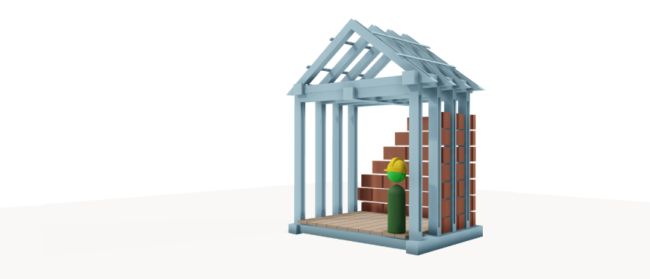
Whether timber forms the structural frame, and what materials cover the external walls. A brick exterior does not necessarily mean a masonry structure. |
| Steel-framed |
The type of frame, its condition and any survey or repair records. Some steel-framed homes have a brick outer appearance. |
| Prefabricated or concrete-system homes |
The particular system used, including whether it is a precast reinforced concrete (PRC) design, and any documented repairs. Not every concrete home is classified alike. |
| Structural insulated panels (SIPs) |
Where the panels are used, plus the external cladding and roof construction. |
| Traditional or unusual materials |
Whether walls use materials such as cob or wattle and daub, or the roof has thatch or another less common covering. |
| Mixed construction |
Whether an extension or part of the main house uses a different frame, wall material or roof type. |
These are examples, not a list of properties that every insurer will refuse. The design, condition and insurer’s criteria all affect the assessment. If you already know your home’s construction, our guides to steel-framed houses, prefabricated home insurance and SIPs home insurance provide more specific information.
How can I tell how my house is built?
Start with the documents you already have. A building survey may describe the structure and highlight where the surveyor could not confirm it. For a newer home or extension, construction drawings, developer information and building control records may also help. Ask the seller for any relevant surveys or records if you are buying.
Do not assume that the visible surface tells the whole story. Render or brickwork can conceal a different structural frame, and one part of the property may have been built differently from another. If the documents disagree or the method remains unclear, ask a surveyor with experience of that property type to identify it. This can be particularly useful before buying a home with an unfamiliar construction system.
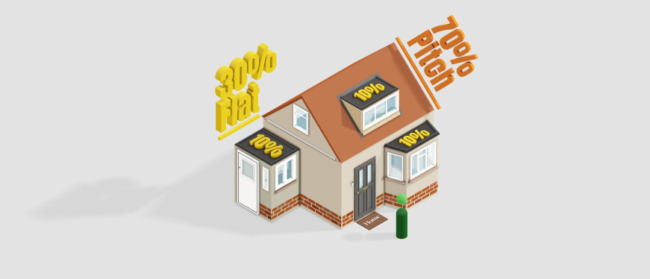
An insurance question about wall materials may also ask for the approximate proportion of each type. Our separate guide explains how to calculate construction percentages when a home combines materials or methods.
Why does construction matter for insurance?
The way a home is built can affect the materials, skills and time needed to repair it after an insured event. Insurers may therefore ask more questions about an unusual build when deciding whether they can offer cover and on what terms. The rebuild cost also needs to reflect the property as it actually stands; its purchase price is not a substitute. Our rebuild cost guide explains the difference.
Non-standard does not mean defective or uninsurable. Nor does it automatically mean a higher premium. The insurer will consider the specific property alongside factors such as its location, condition, use and claims history.
If you are buying with a mortgage, the lender may make its own decision about the construction and ask for a survey or other evidence. Its lending criteria and an insurer’s criteria are separate, so check both before you commit to the purchase.
Frequently asked questions
Is a timber-frame house always classed as non-standard construction?
Not necessarily. Insurers may assess timber-frame homes differently according to their design, age and external materials. Tell the insurer about the structural frame even if the outside is brick.
Does non-standard construction mean a house is unsafe?
No. The term describes how a property is built, not its condition. If you have concerns about the structure or are buying an unfamiliar type of home, a suitable survey can help you understand its condition.
What if I do not know my home’s construction type?
Check your survey and building records, or ask the seller or developer for details. If the structure is still uncertain, speak to a surveyor and tell your broker or insurer what you know so far. Avoid selecting a construction type based only on appearance.