This article lists our "Top 5 Tips To Secure Your Empty House" during periods of unoccupancy.
5
min read
This article waas update on 6th November 2026
An empty house still needs looking after. Whether you have moved out while waiting for a sale, are dealing with a family property or will be away for an extended period, it helps to plan how the home will be secured and who can respond if something goes wrong.
Protecting it involves more than locking the front door. Post piling up, an overgrown garden or a security camera that has lost its connection can undermine your preparations.
These five practical steps can help you secure an empty house and reduce visible signs that nobody is living there.
1. Secure doors, windows and other access points
Work through the property methodically before leaving it unattended. Check external doors, accessible windows, patio doors and any doors connecting the house to a garage.
Repair damaged locks, loose hinges or windows that do not close properly. An alarm or camera is an additional precaution; the physical security of the building still matters.
Remember to:
Lock garages, sheds and side gates.
Keep keys away from windows, letterboxes and other places where they could be seen or reached.
Avoid leaving spare keys under a doormat, plant pot or another obvious hiding place.
Move valuables out of sight from outside.
If tradespeople or agents need access, agree how keys will be held and returned, and who is responsible for locking up afterwards.
2. Remove opportunities around the outside
Look at the property from the street and walk around any accessible outdoor areas. Are tools, ladders or garden equipment left where someone could use them to reach a window or force entry?
Put these items in a secure garage or outbuilding. Avoid leaving packaging outside that advertises valuable equipment inside the house.
Keep planting around entrances maintained so that doors and windows are not hidden behind overgrown shrubs. Check that outside lights work and that vegetation does not block them.
If building work is taking place, discuss security with the contractor. Agree how equipment will be stored and how the property will be secured at the end of each working day.
3. Reduce visible signs that the house is empty
A home can be securely locked yet still look unattended. Think about the everyday activity that normally keeps its appearance maintained.
Depending on how long the property will be empty, consider:
Redirecting post or arranging for it to be collected.
Cancelling regular deliveries and avoiding parcels being left outside.
Arranging lawn cutting and basic garden upkeep.
Asking someone to manage bins and remove litter.
Using timers or smart lighting to create a normal evening lighting routine.
A trusted neighbour may also be willing to help with curtains or park on the driveway occasionally.
Avoid public social media posts that reveal the property will be empty for a lengthy period.
These measures can make an absence less obvious, but they do not change the property’s occupancy status for insurance purposes.
4. Keep alarms and monitoring devices working
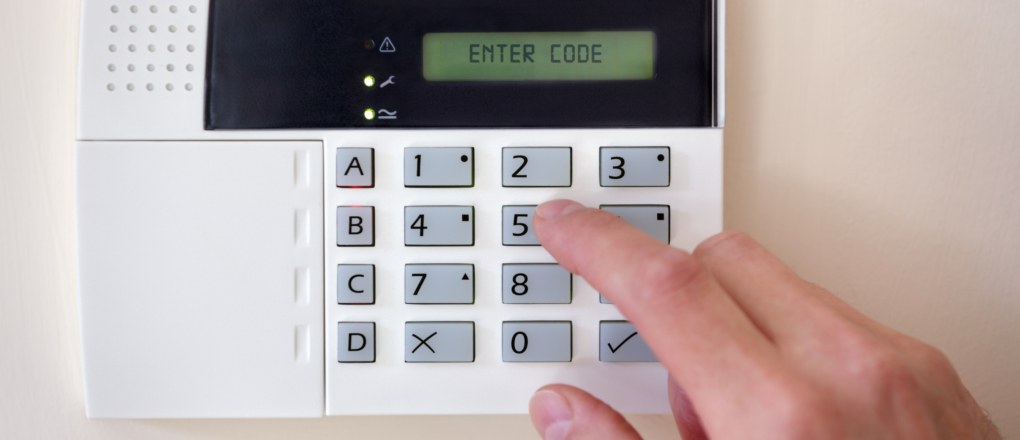
If the house has an alarm, check that it works and is set correctly whenever the property is left unattended.
Connected cameras, video doorbells and door or window sensors can help you keep track of activity while you are elsewhere. Before relying on them, test the setup:
Check batteries and charging arrangements.
Confirm that devices have the power and internet connection they need.
Test notifications on the phone that will receive them.
Check whether recording or stored footage depends on an active subscription.
Decide who will respond if an alert arrives when you are unavailable.
Think about what happens if the broadband or power supply stops working, too. Remote monitoring is useful, but a working connection and someone able to act on an alert are both part of the arrangement.
Choose someone who can help if you cannot get to the house yourself. This might be a family member, friend, neighbour or property management service.
Make sure they have:
A working set of keys and clear instructions for any alarm.
Your contact details and an alternative contact.
The location of the water stopcock.
Details of who to contact for urgent repairs.
Agree what they should do if they find a broken window, receive an alarm notification or notice water escaping. If there are signs of a break-in and someone may still be inside, they should stay outside and contact the police.
Security is only part of protecting an empty home. Leaks, freezing conditions and unresolved maintenance problems also need attention.
Plan heating and water arrangements around the property and the conditions in your insurance documents. Avoid simply switching everything off: heating, alarms and connected devices may need services to remain active. Ask a suitably qualified professional if you are unsure how to prepare the plumbing or heating system.
Check your insurance before leaving the house empty
Practical security precautions sit alongside suitable insurance. Check how long your current policy allows the home to be empty, what cover applies and whether you need to tell your insurer or broker about the planned absence.
If the property will be empty for longer than your policy permits, visit our unoccupied home insurance page to find out about cover we may be able to arrange.
This guide explains why unoccupied home insurance claims are sometimes declined, the most common underlying reasons, and you can reduce the risk of issues if you need to claim.